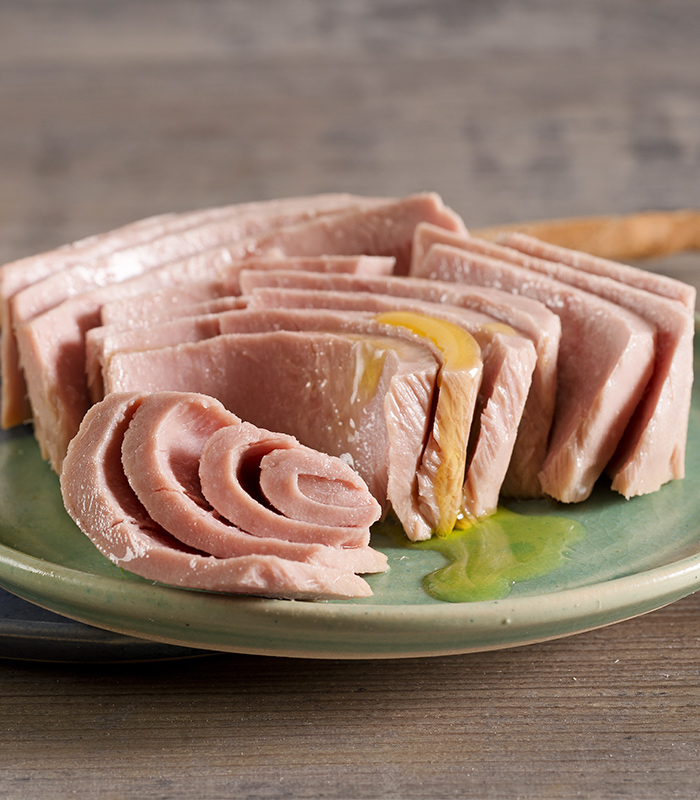
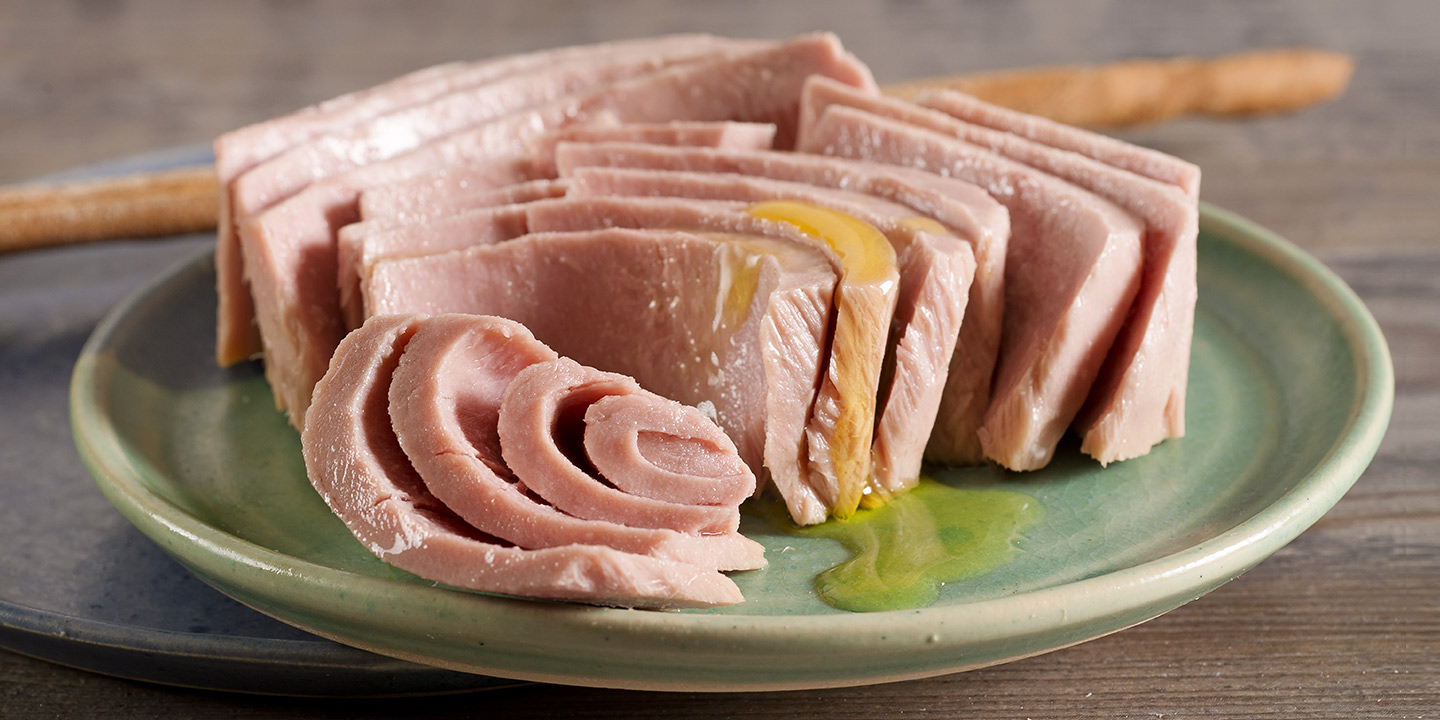
Tuna
Tuna
Tuna
The tuna is an oily fish that lives mainly in oceanic waters between the two tropics and can reach up to 2-3 metres in length and 600 kg in weight.
Tuna, and fish in general, are an important part of our diet, as they have interesting nutritional properties and are a source of high-quality protein. Our tuna-based ricette allow you to unleash your creative side in the kitchen and to cook always different and delicious dishes. Rio Mare, thanks to the wide range of products, offers you the possibility to eat fish in a quick and practical way in any occasion.
Species of tuna
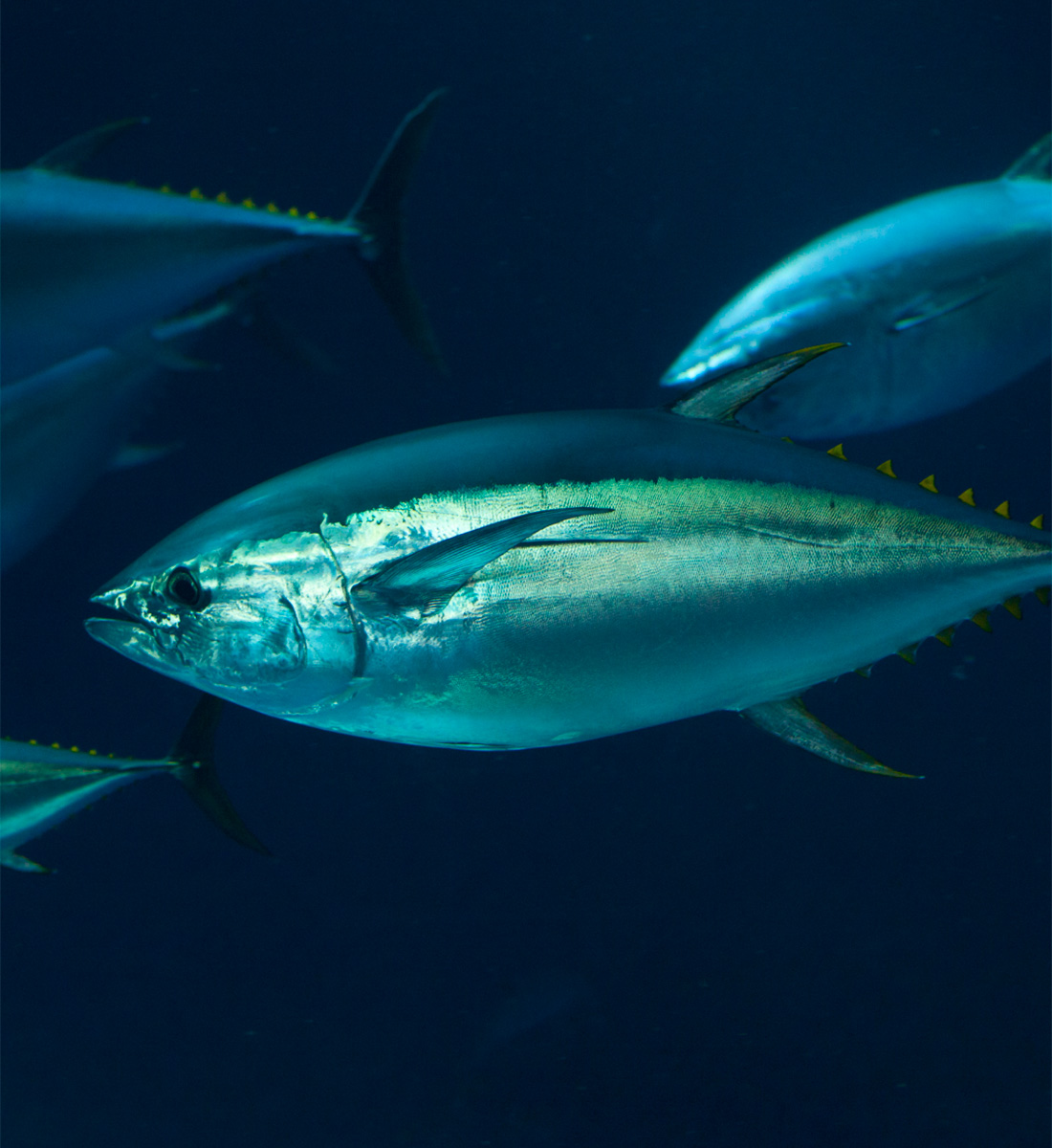
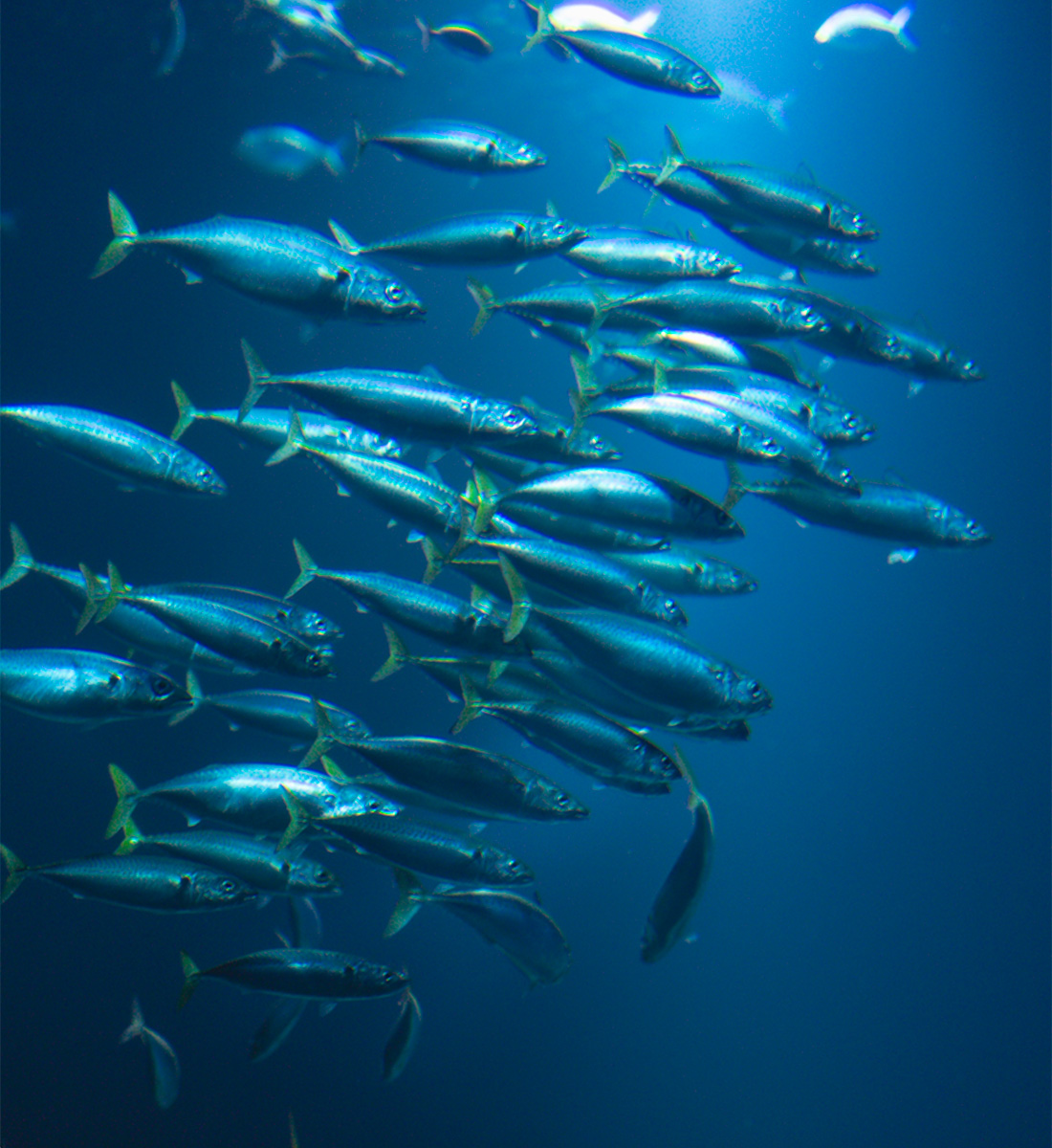
Not everyone knows that there are different species of tuna. The two ones mainly used for canned fish products are yellow-fin tuna and skipjack tuna.
Yellow-fin tuna (Thunnus Albacares) owe their name to the intense yellow colour of their dorsal and pelvic fins and can reach weights of 50/60 kg. The pink-coloured meat has a delicate flavour and tender texture.
The skipjack tuna (Euthynnus pelamis) gets its name from its habit of jumping out of the water. They normally weight between 3 and 4 kg. The light-coloured meat has a more intense flavour than its yellow-fin counterpart.
Tuna fishing methods
The main methods
Purse seine fishing
This method is practised by large fishing vessels, which often remain at sea for several weeks at a time. When fishermen spot a school of tuna, a small boat with a net secured to it is lowered into the sea. The net is cast into the water to form a sort of sack, known as a “seine”, which rounds the fish up and allows them to be hauled on board, where they are then frozen. The purse seine method is divided into fishing with FADs (Fishing Aggregating Devices) and free-school fishing (FAD Free).
Pole and line fishing
This traditional fishing method is practised just a short distance from the coastline. From the boat, live bait is thrown into the sea to attract the tuna and, with the help of water sprayed through pressure hoses, whirlpools are created to lure the fish in. The fishermen then cast their lines with hooks and, taking advantage of the frenzy in the water, bait the tuna and haul them on board, where they are quickly stored and kept on ice, before being frozen later on. This is unlike handlining, where the fisherman holds the line in their hands.
Rio Mare tuna
PRODUCTS
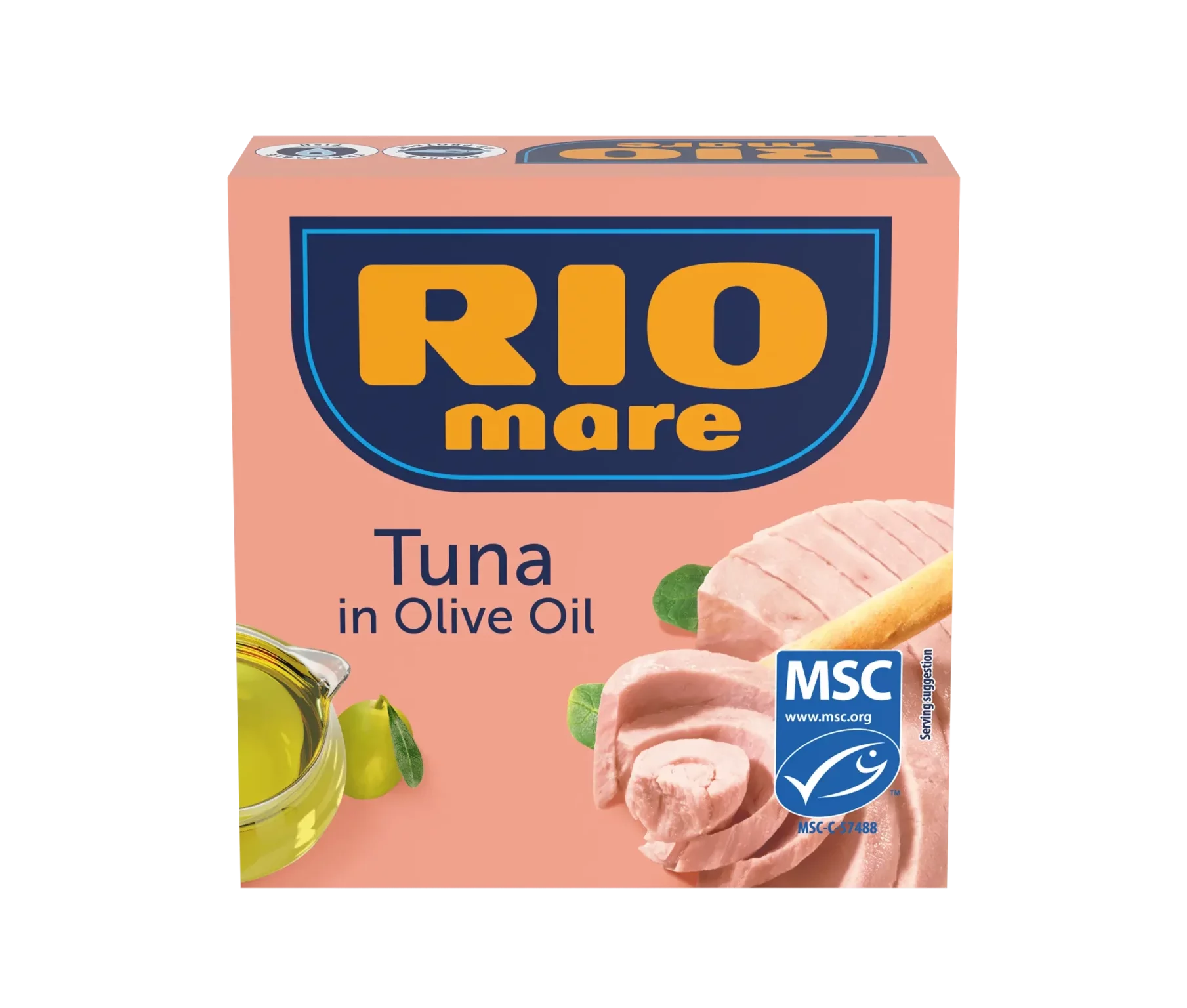
Tuna in Olive Oil 160gr
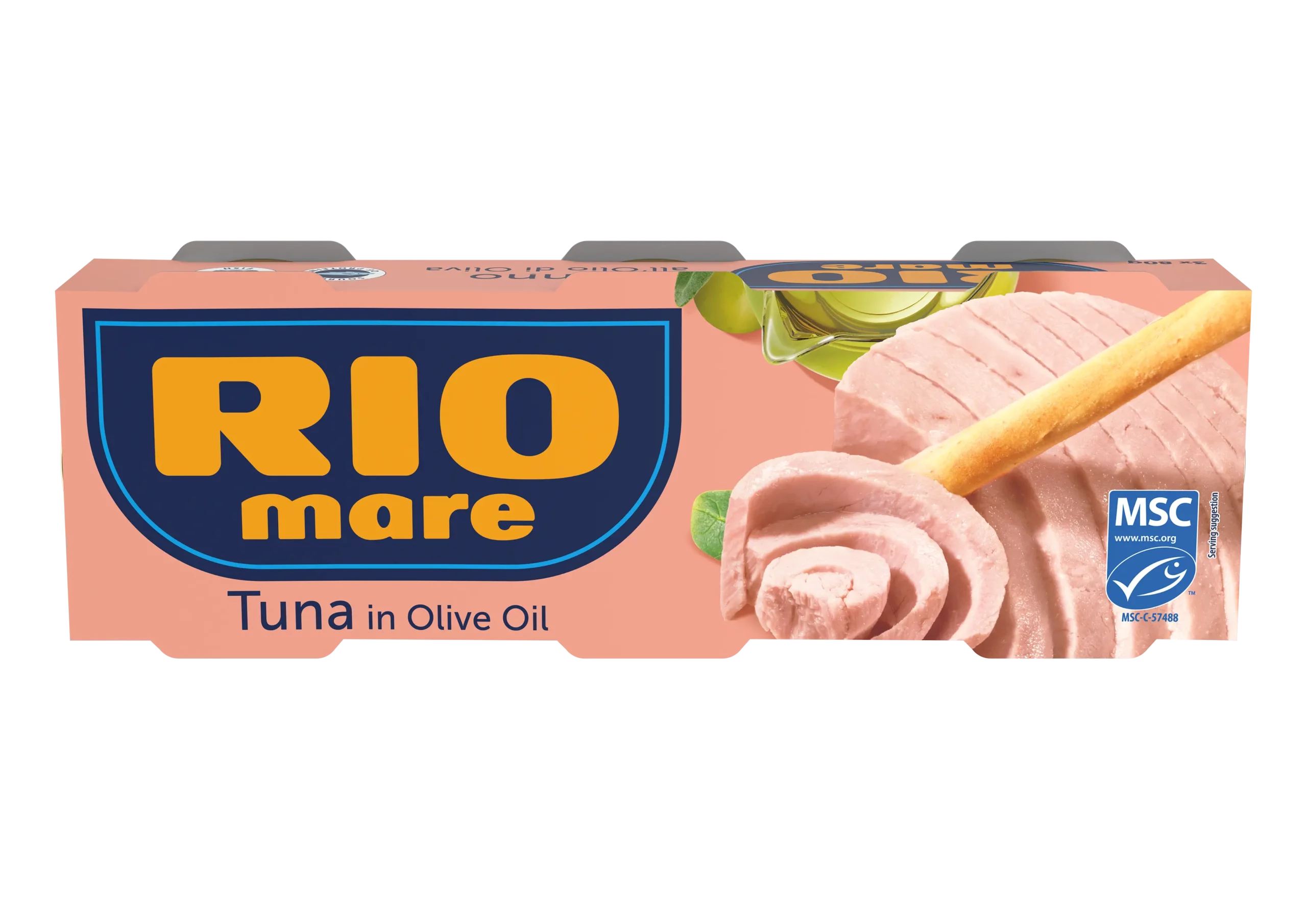
Tuna in Olive Oil 80g x 3
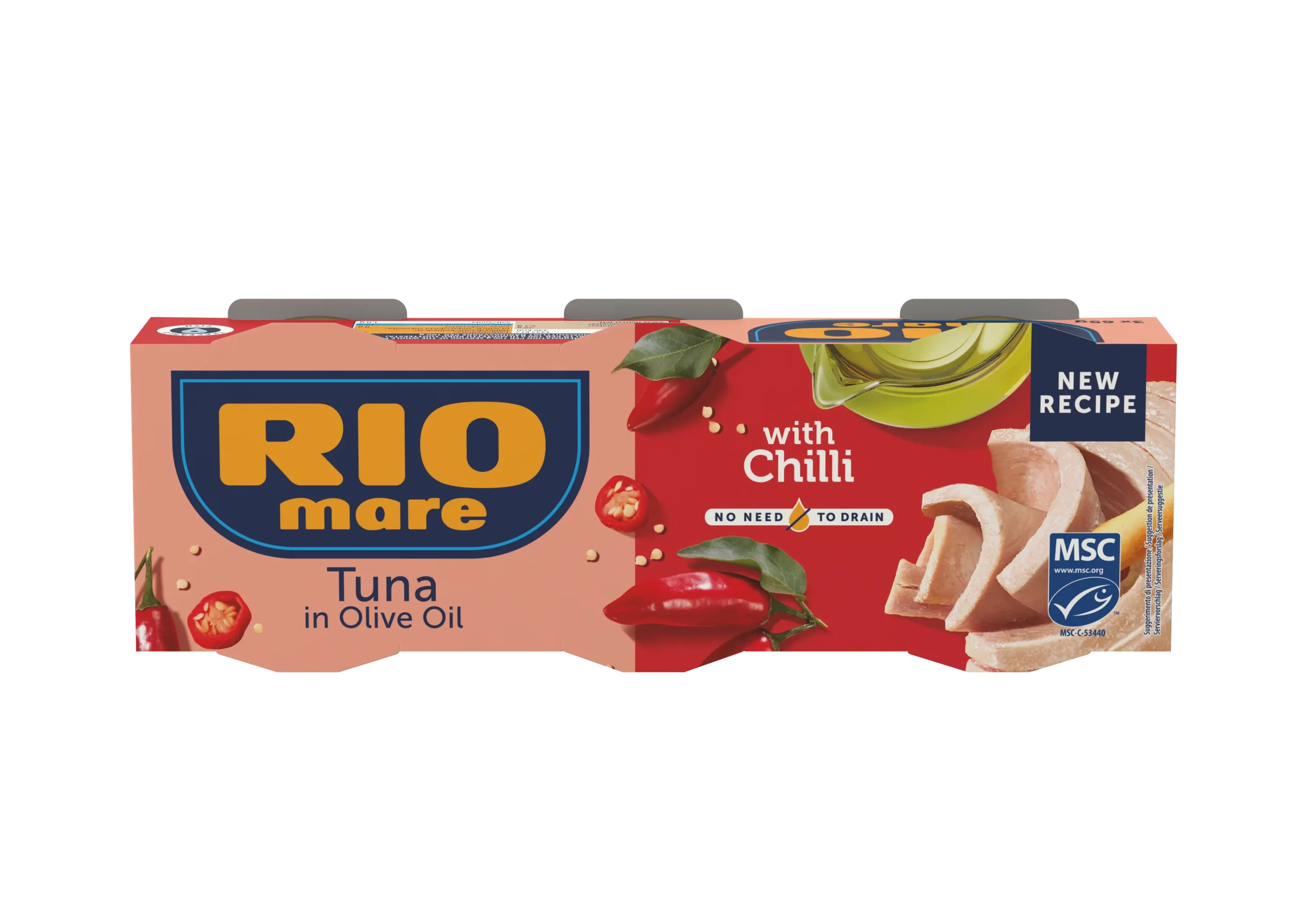
Tuna in Olive Oil with Italian Chilli
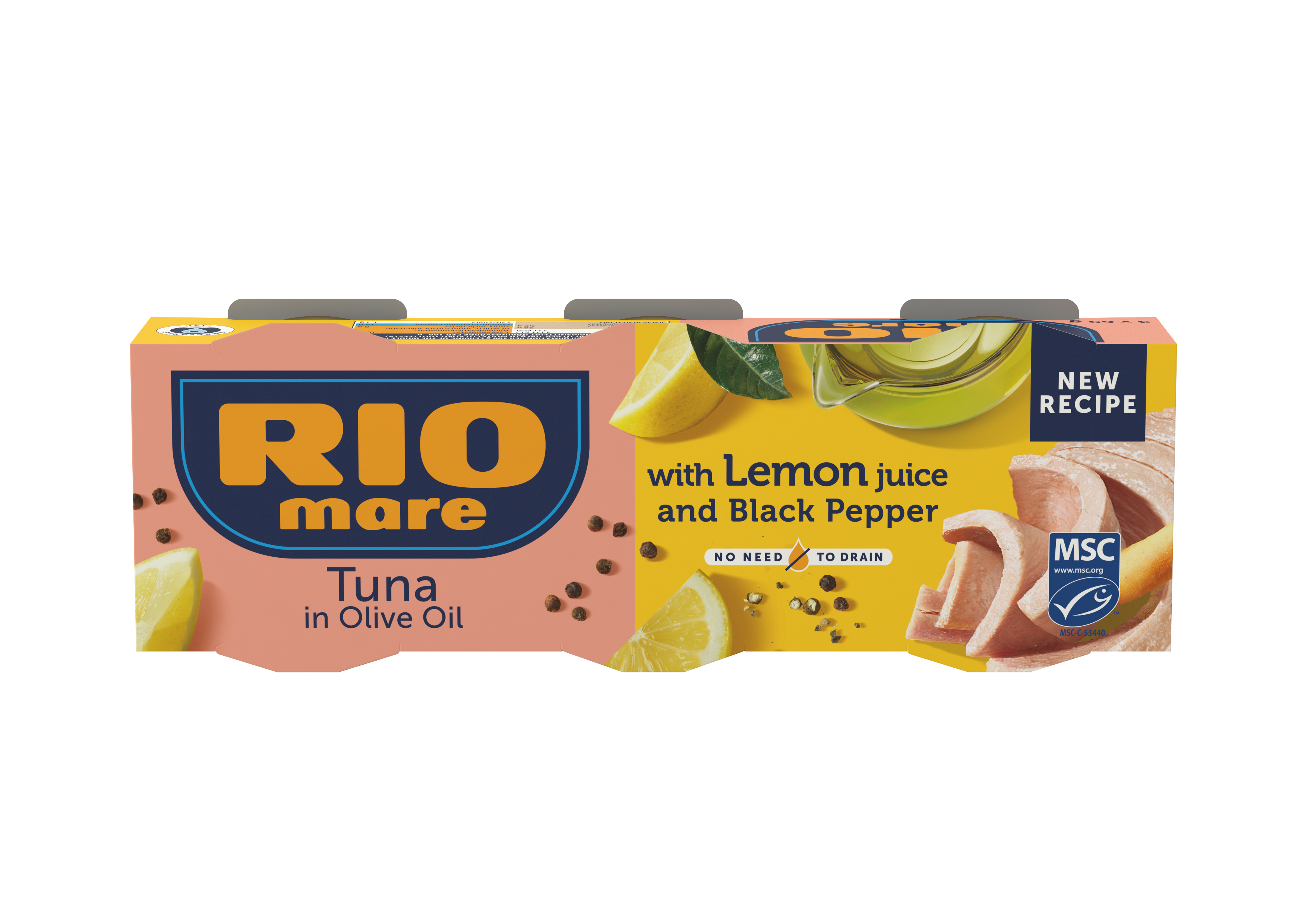
Tuna in olive oil with Lemon and Black Pepper
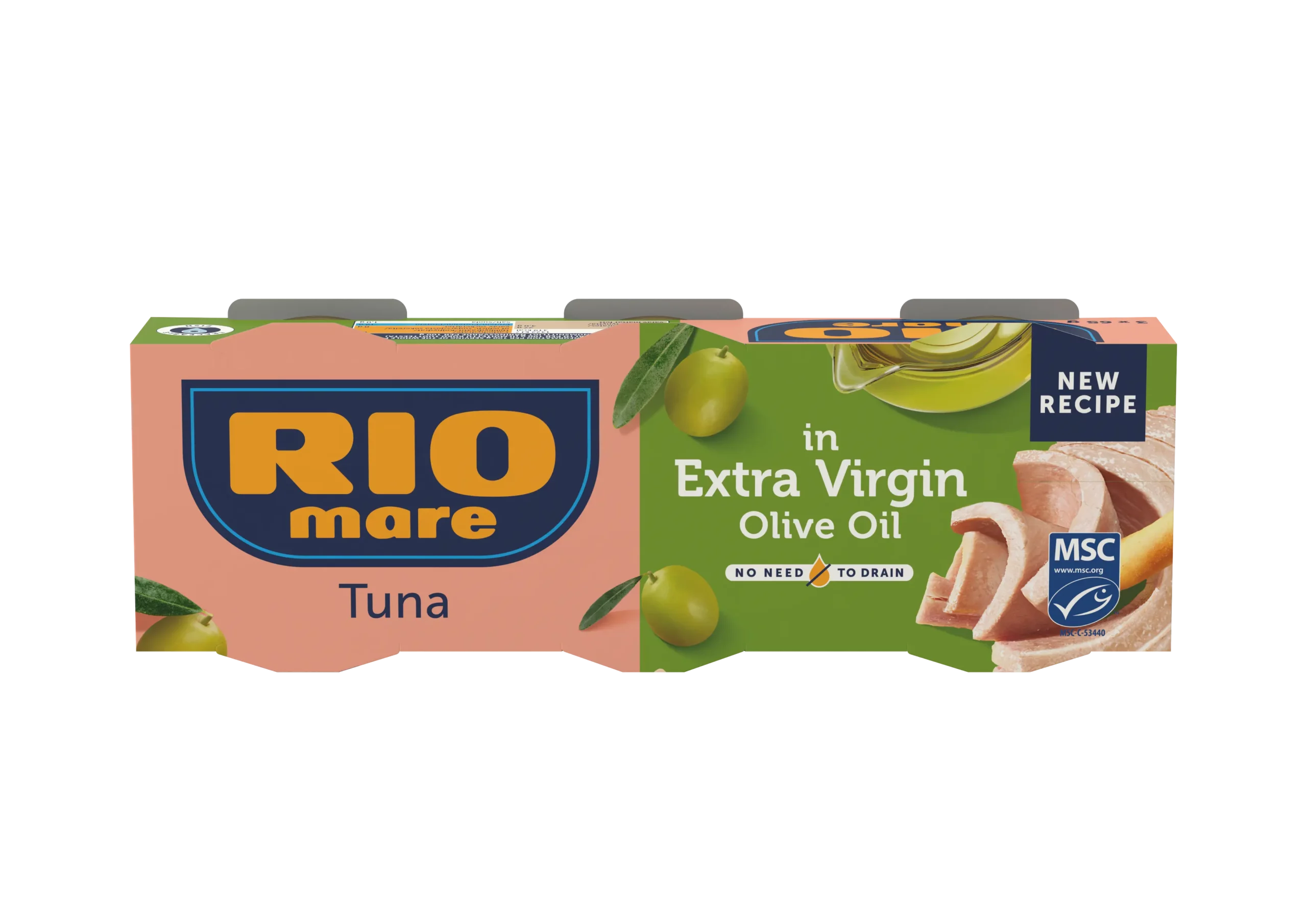
Tuna in Extra Virgin Olive Oil
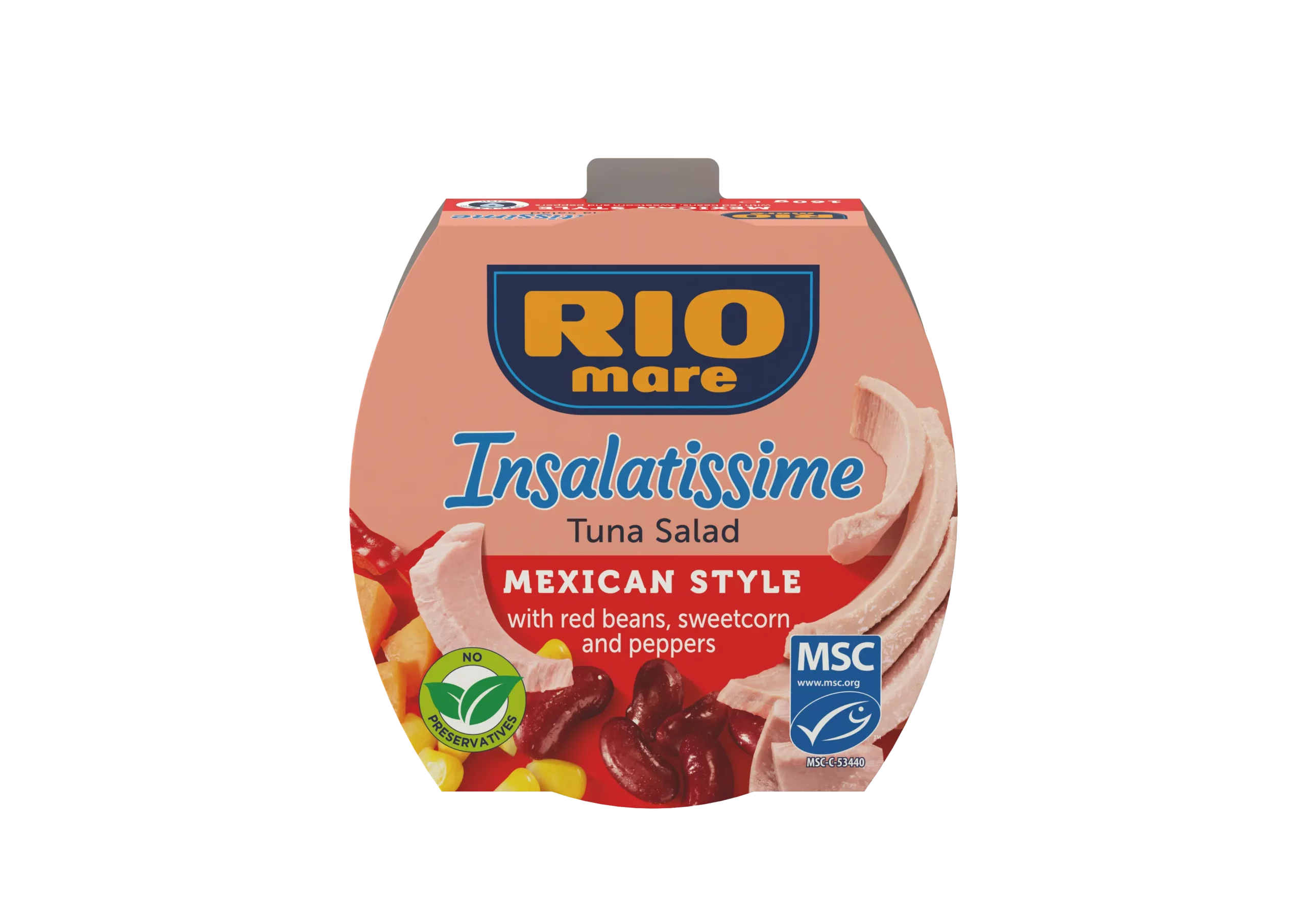
Insalatissime – Mexican Style Tuna Salad
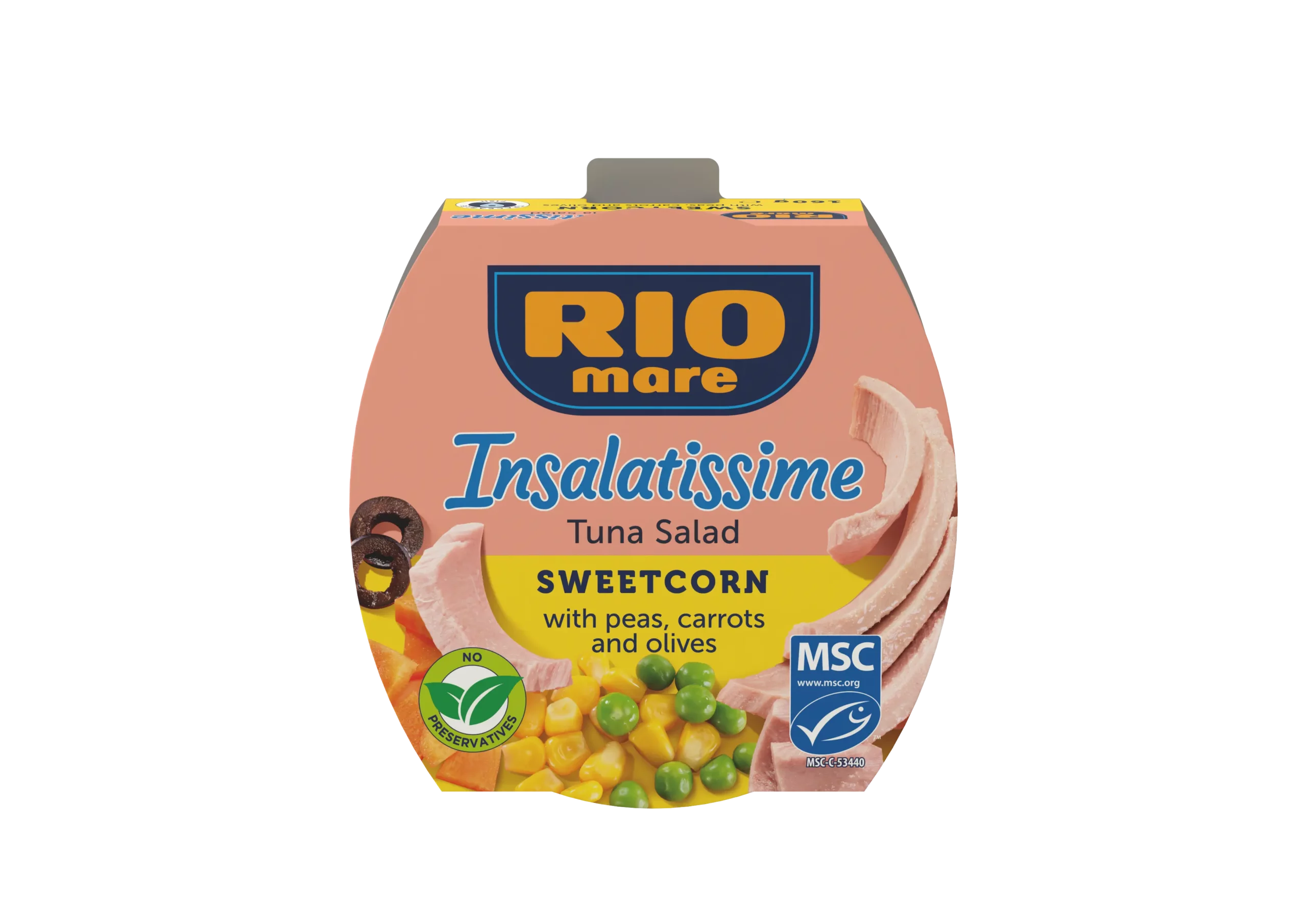
Insalatissime – Tuna & Sweetcorn Salad
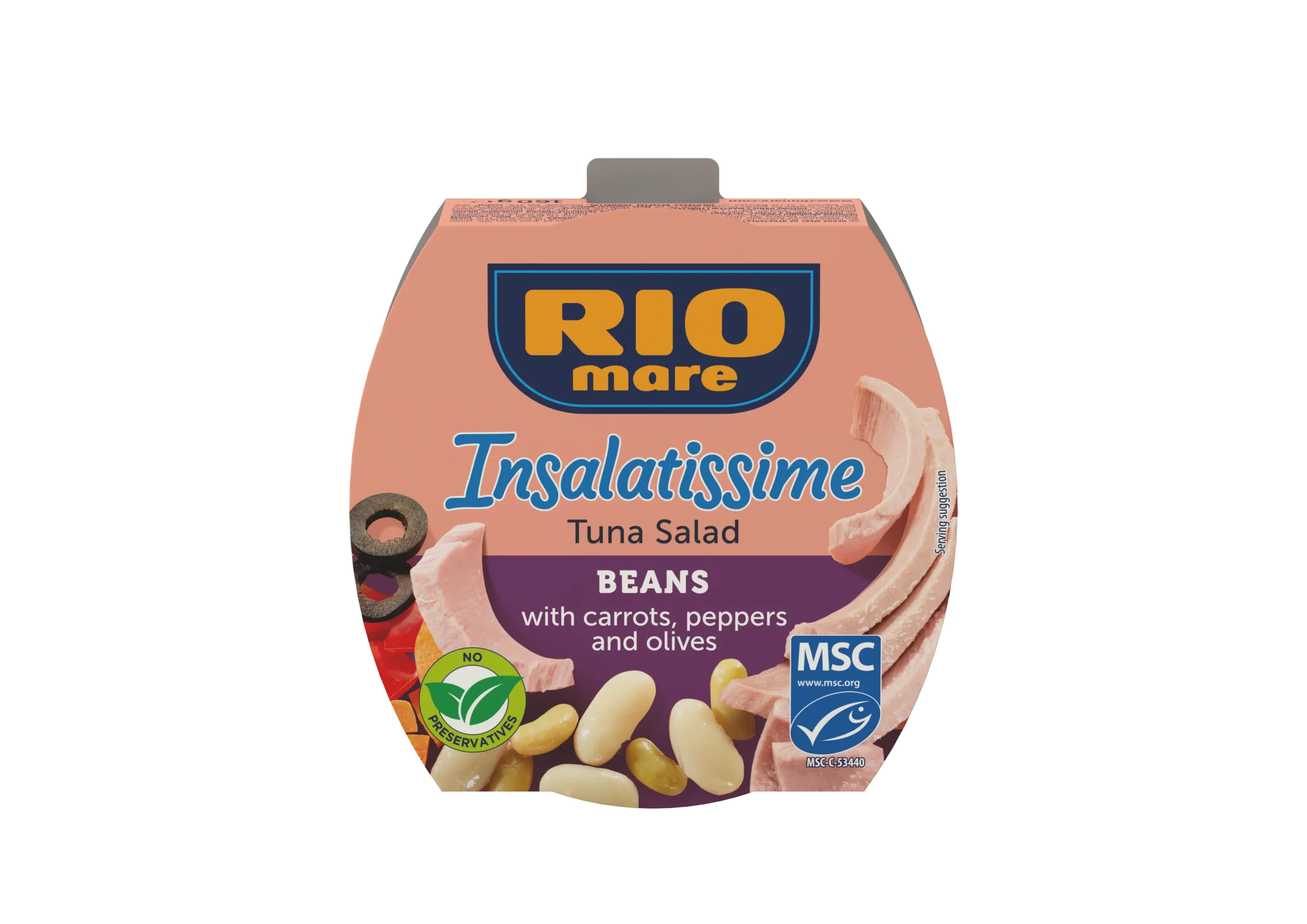
Insalatissime – Tuna & Bean Salad
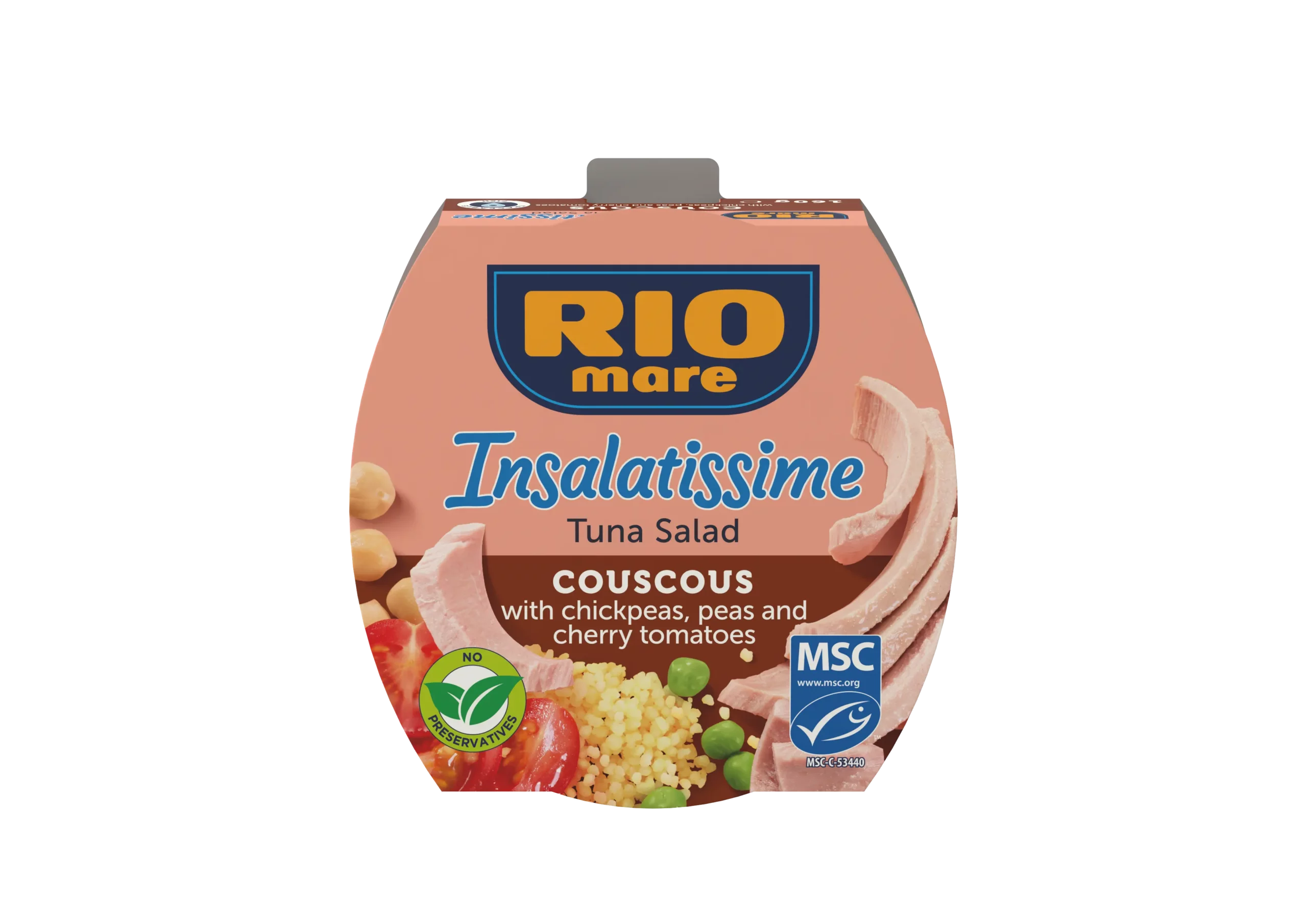
Insalatissime – Tuna & Couscous Salad
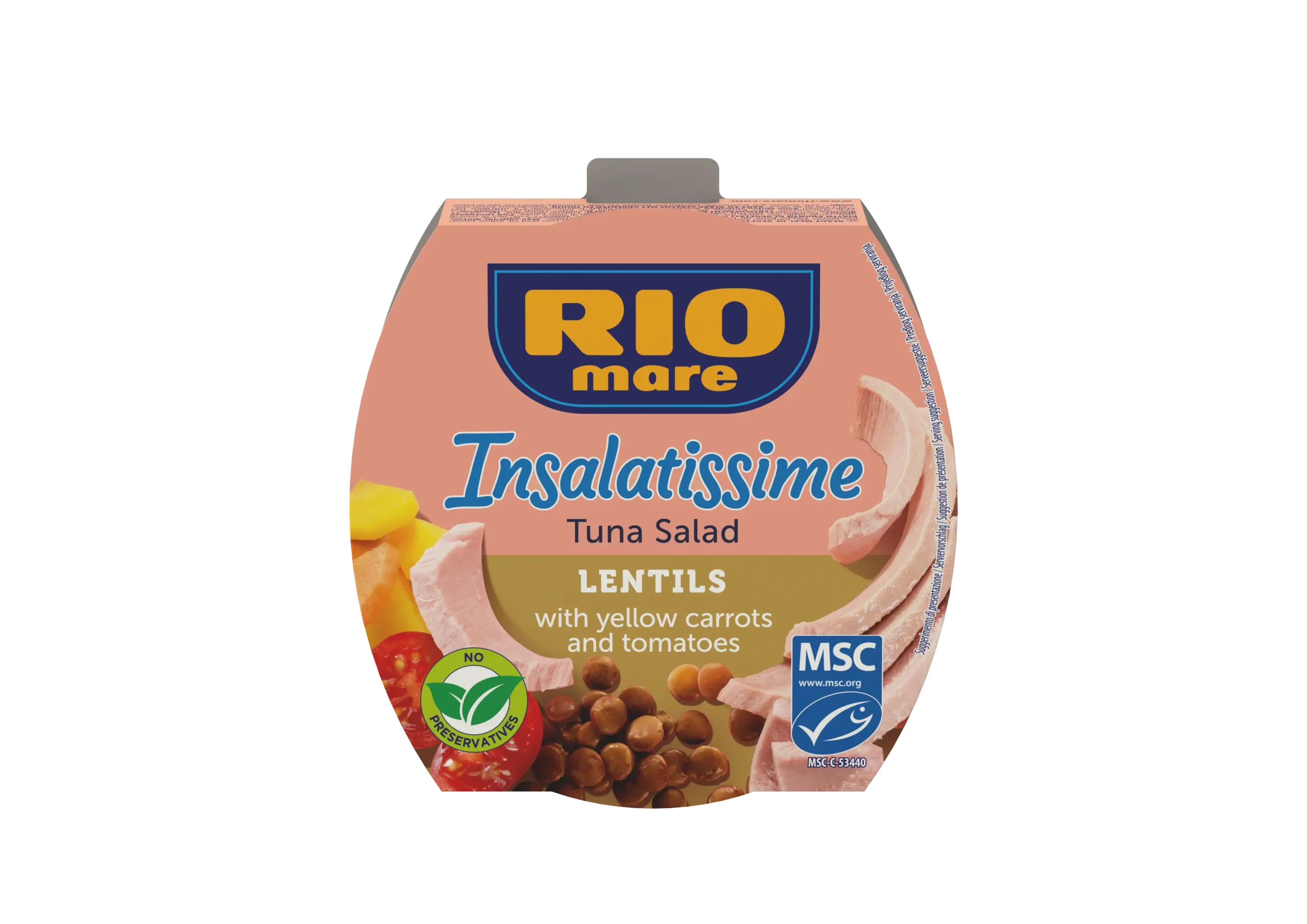
Insalatissime – Tuna & Lentils
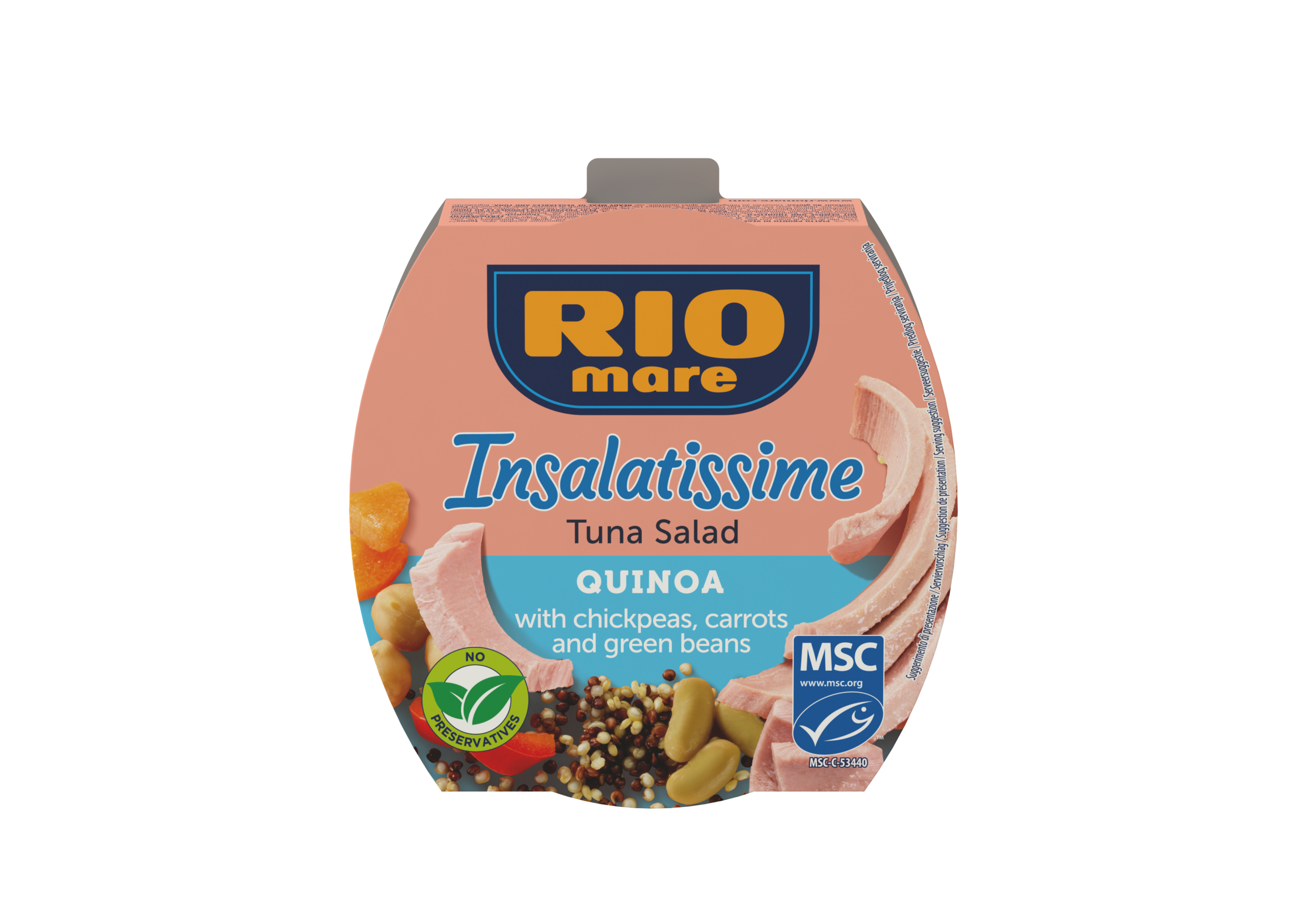
Insalatissime – Tuna & Quinoa
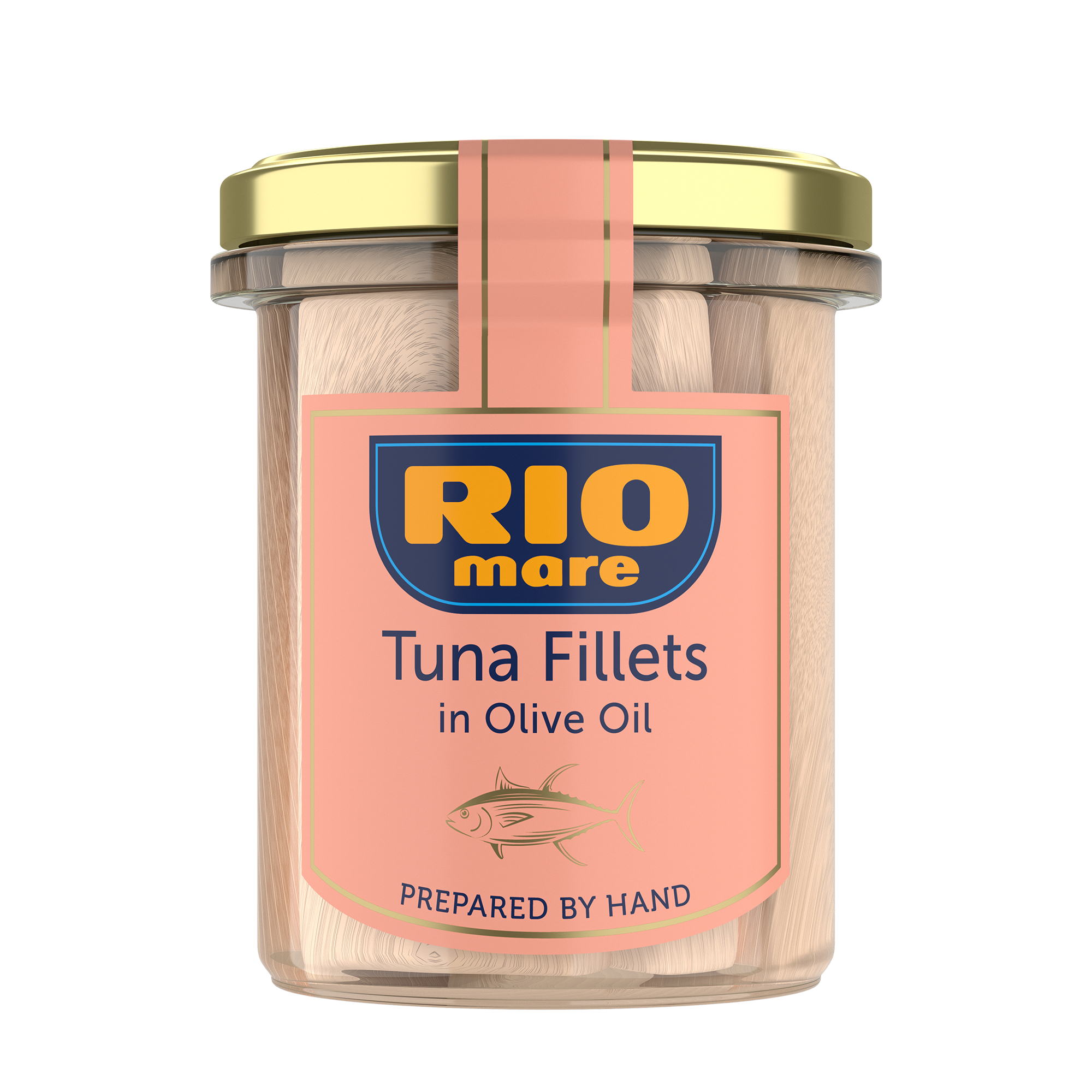
Tuna Fillets in Glass Jar with Olive Oil
The nutritional value of canned tuna
Canned tuna is a practical food but also rich in nutritional properties. Rio Mare Tuna provides a source of high-quality proteins, which supports the growth and maintenance of muscle mass.
Rio Mare Leggero Tuna and SuperNaturale Tuna in Brine provide vitamins and minerals. Both are rich in vitamin B12, which combats tiredness and fatigue, and provide a source of phosphorus, which supports normal energy metabolism.
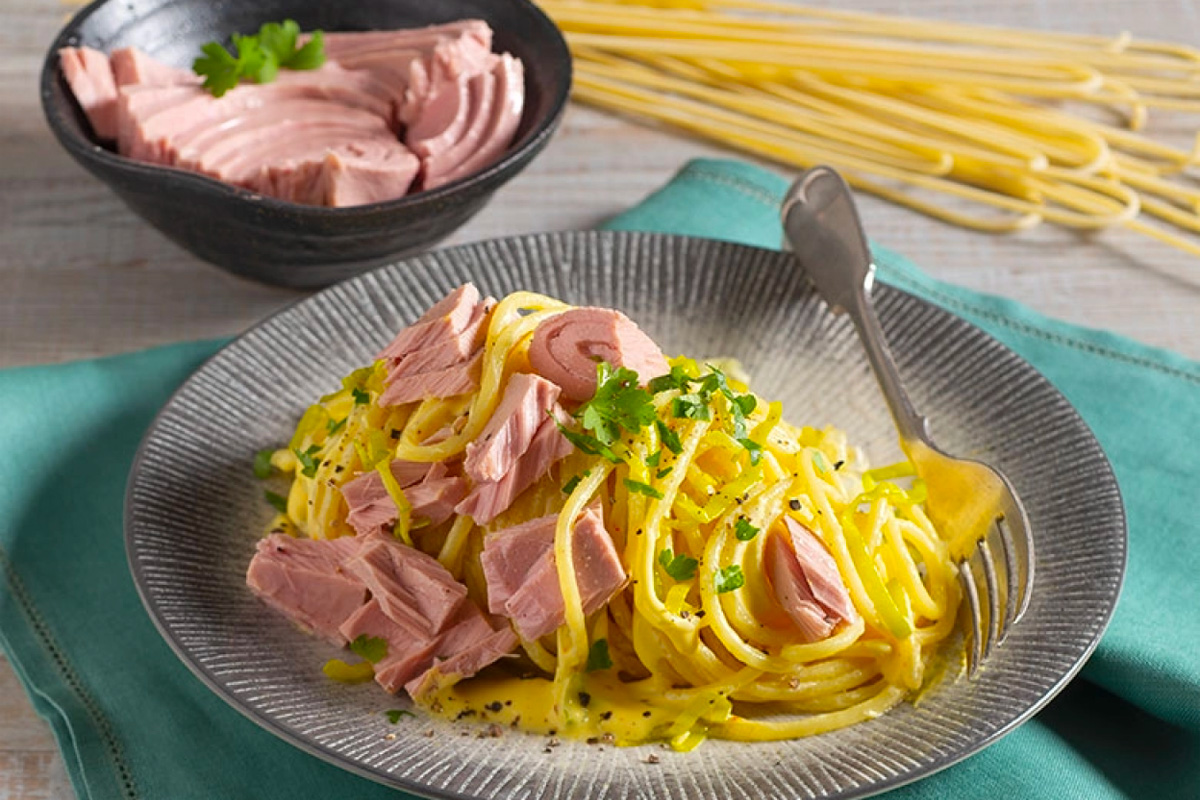
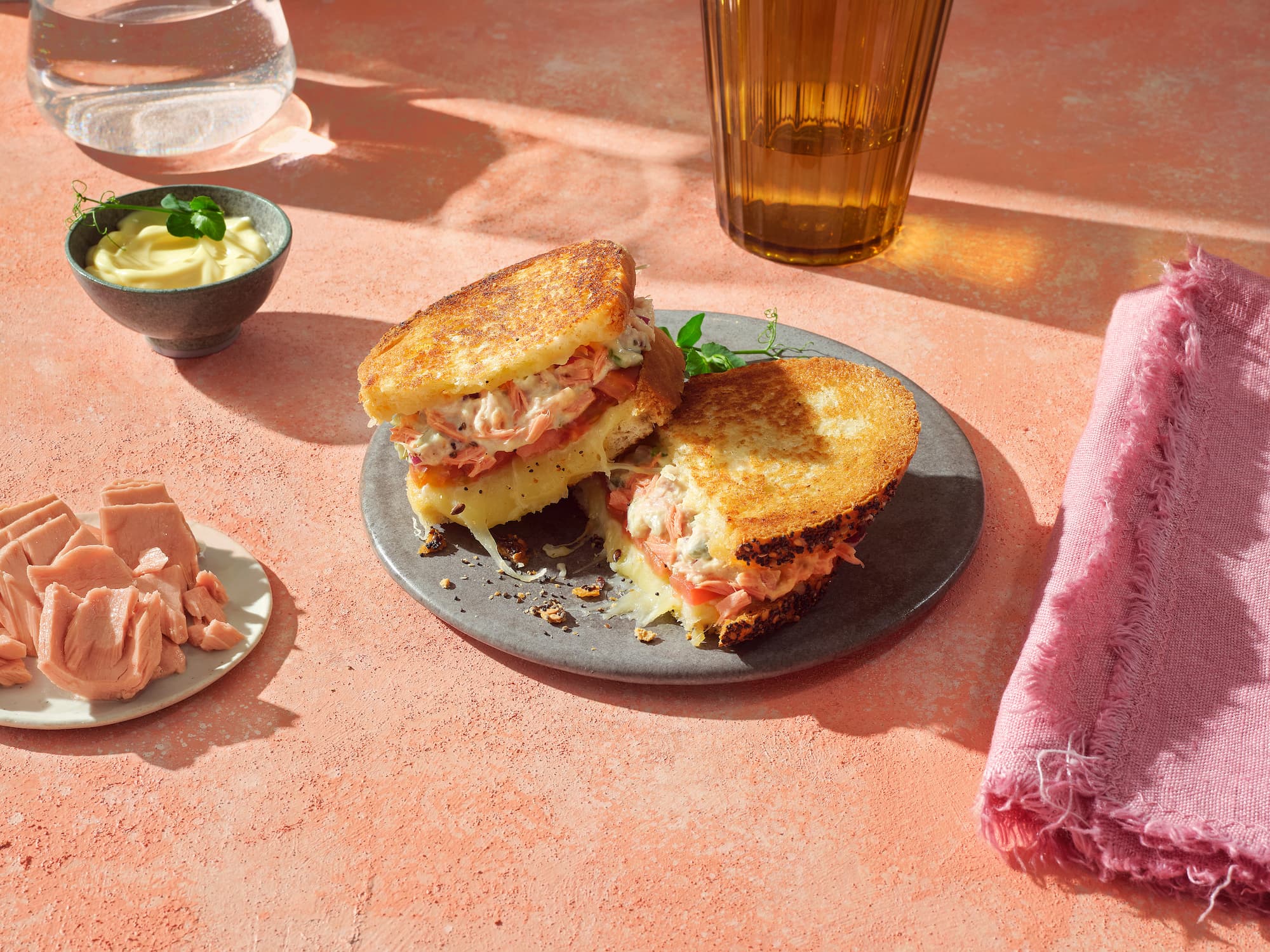
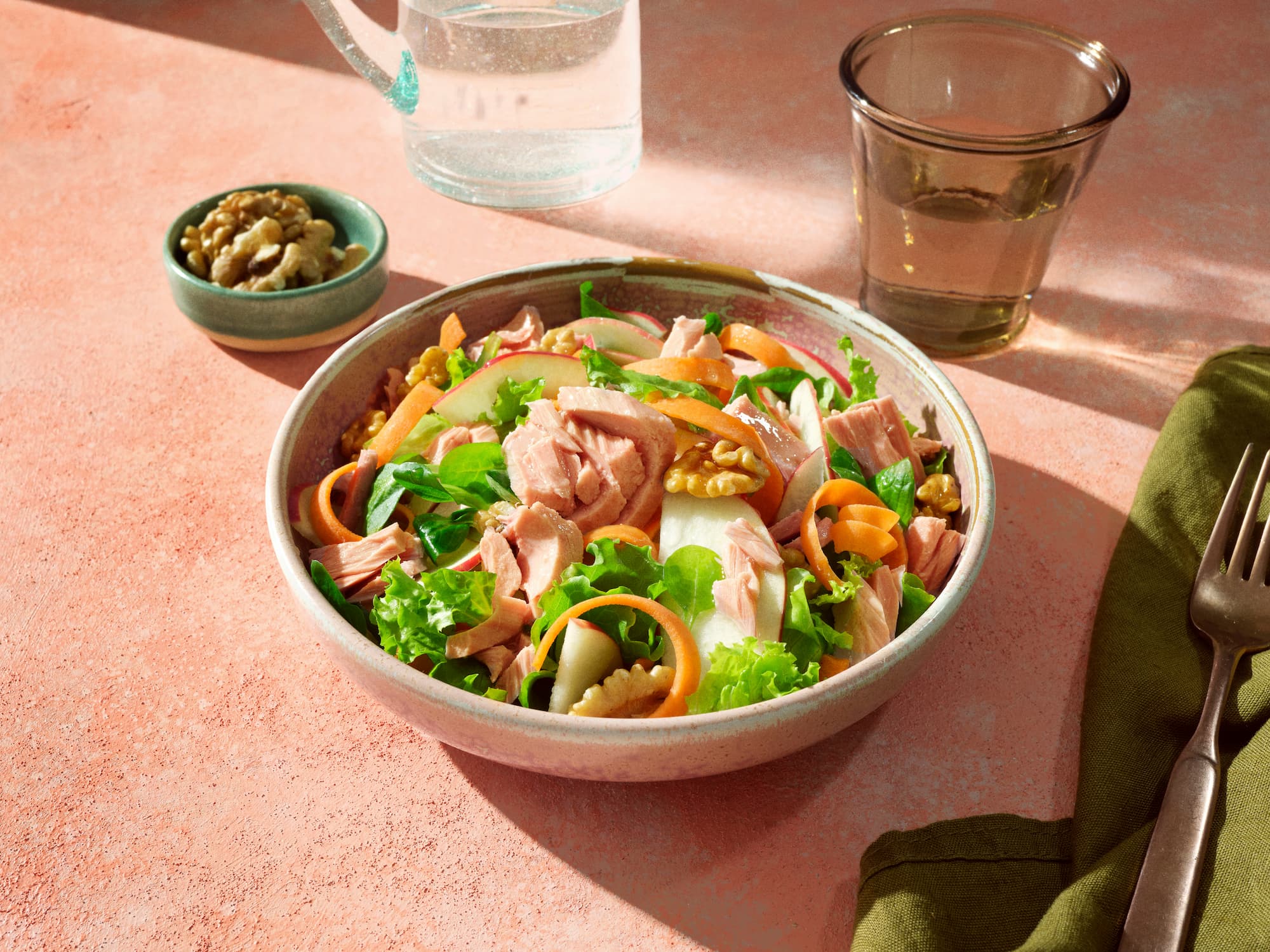
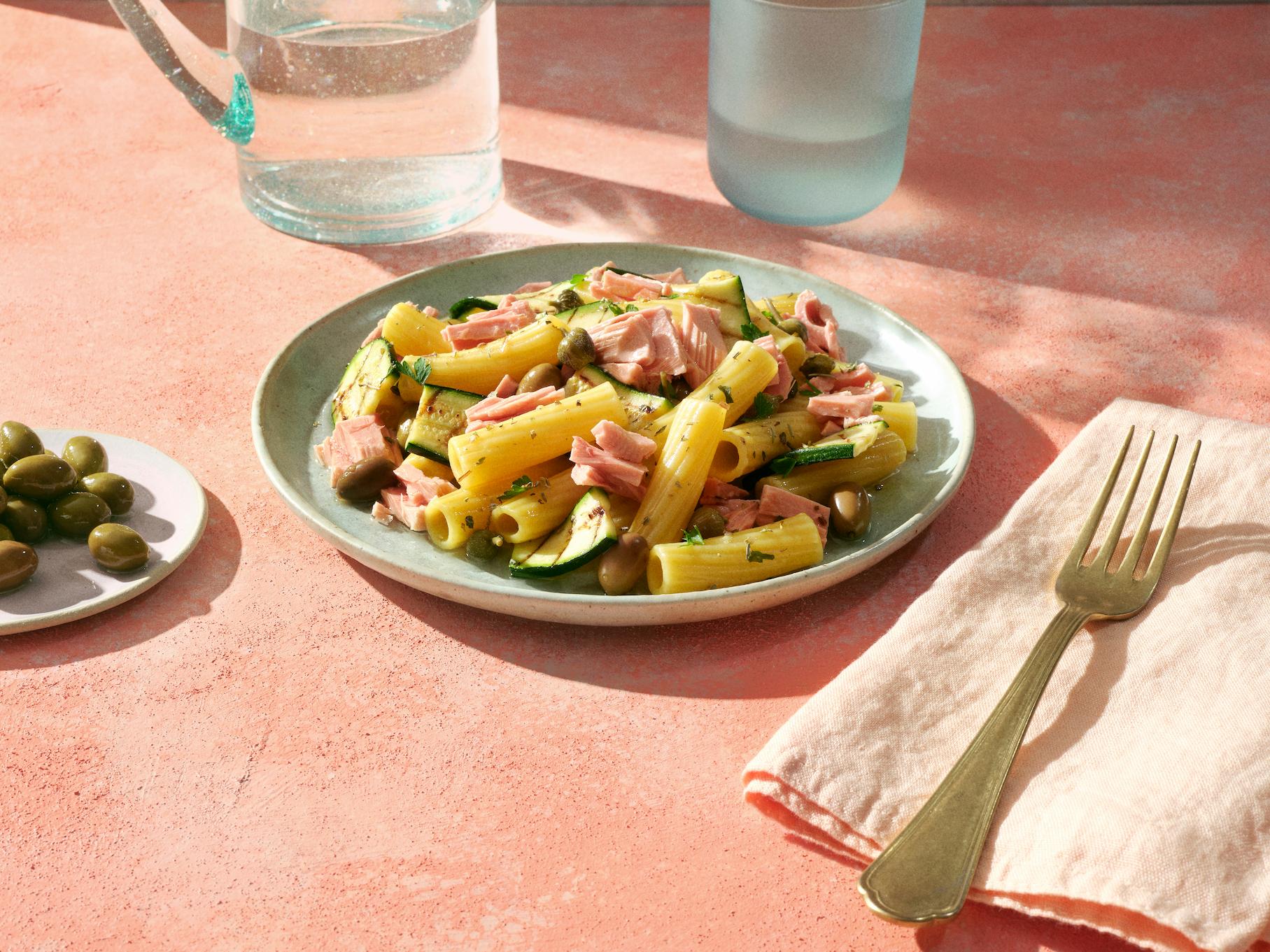
Recipes with Rio Mare Tuna
Scopri di più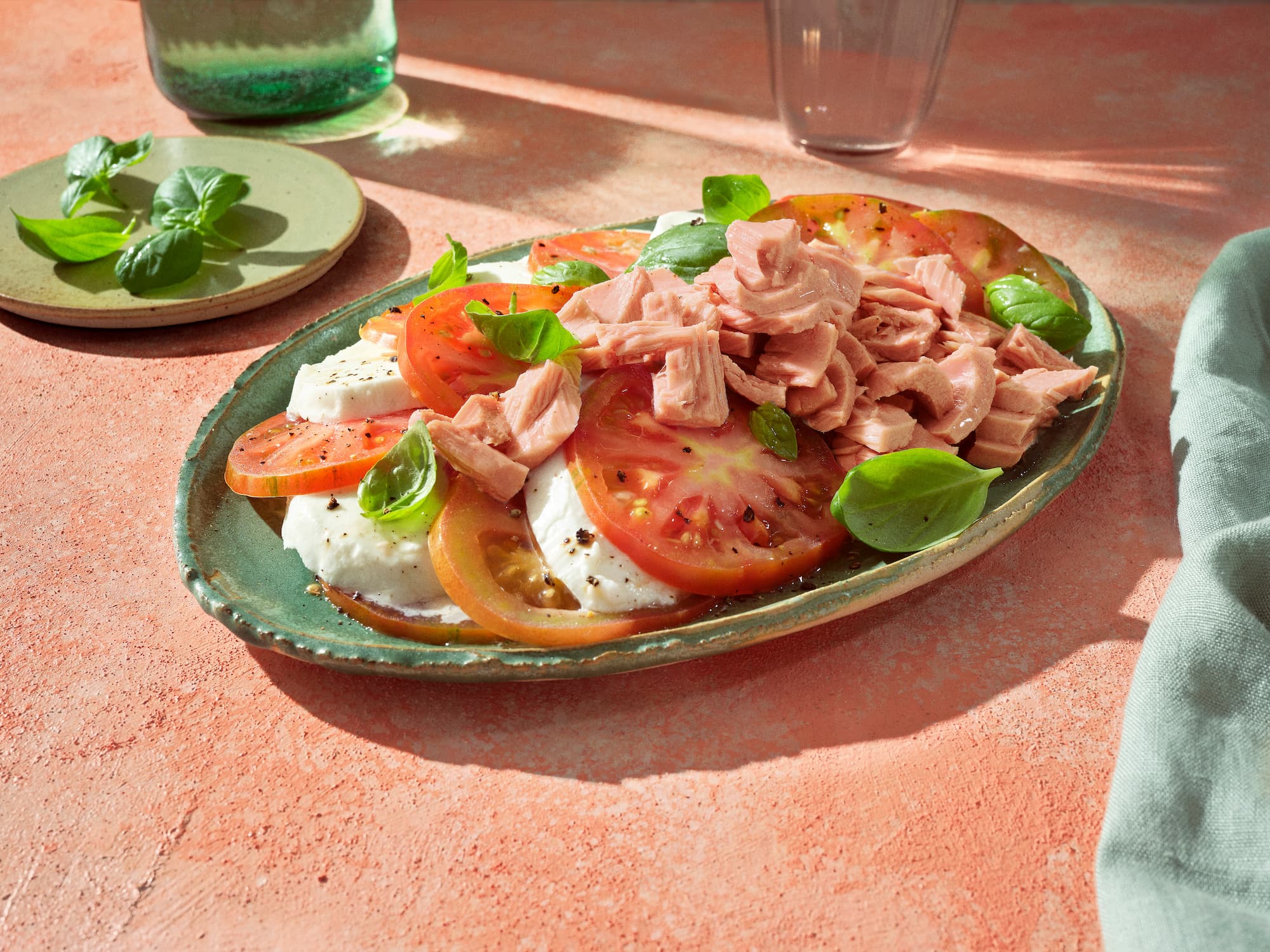
Faq
As it is a vegetable oil, the oil contained in the Rio Mare Tuna cans should be poured into a suitable container and disposed of in accordance with waste oil collection rules. For proper oil management, we recommend referring to the management rules of your town’s environmental services operator.
In accordance with Regulation (EEC) 1536/1992, Rio Mare canned tuna does not contain preservatives.
The Italian Food-Based Dietary Guidelines* recommend eating fish and other seafood 2-3 times per week, varying the type, size and place in which it was caught or farmed. Eating fish is vital for providing our bodies with essential nutrients, including protein, Omega-3 fatty acids, vitamins and minerals. A good alternative to fresh or frozen fish is canned fish, which adults should eat once per week*. Canned fish maintains the majority of the nutritional value of fresh fish cooked at home, with the addition of a pinch of salt and (in some ricette) oil.
*CREA, Food-Based Dietary Guidelines, rev. 2018
Rio Mare Tuna in Olive Oil and Rio Mare Naturale Tuna in Brine do not contain gluten. With regard to other Rio Mare products, we recommend checking for any allergens by reading the label on each product.
These are the nutritional values in 100 g of Rio Mare Tuna in Olive Oil:
| ENERGY | 1667 KJ / 403 kcal |
|---|---|
| FATS | 37g |
| (OF WHICH SATURATES) | 6g |
| CARBOHYDRATE | 0g |
| (OF WHICH SUGARS) | 0g |
| PROTEIN | 17g |
| SALT | 1,1g |