Inside Rio Mare
Transparent, traceable, safe
To find out what’s inside Rio Mare, enter the code on the pack and you can track your product, from sea to table.
Enter the Code
WHERE WE FISH
FIND OUT IN WHICH FAO ZONES WE FISH FOR TUNA
area fao 71
L’Area FAO 71 è una delle 6 in cui è stato diviso l’Oceano Pacifico; in particolare si trova nelle acque occidentali e bagna nazioni quali Vietnam, Laos, Cambogia, Thailandia, Malesia, Singapore, Indonesia, Filippine, Papua Nuova Guinea, Isole Salomone e Australia.

Skipjack Tuna
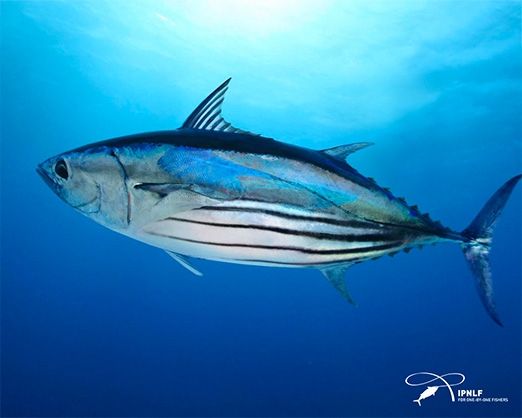
The skipjack tuna (Euthynnus Pelamis) takes its name from the longitudinal stripes on its ventral side. Skipjack tuna weigh between 3-4kg and its flesh is light in colour. It has a more intense flavour than the yellowfin tuna.
YellowFin Tuna
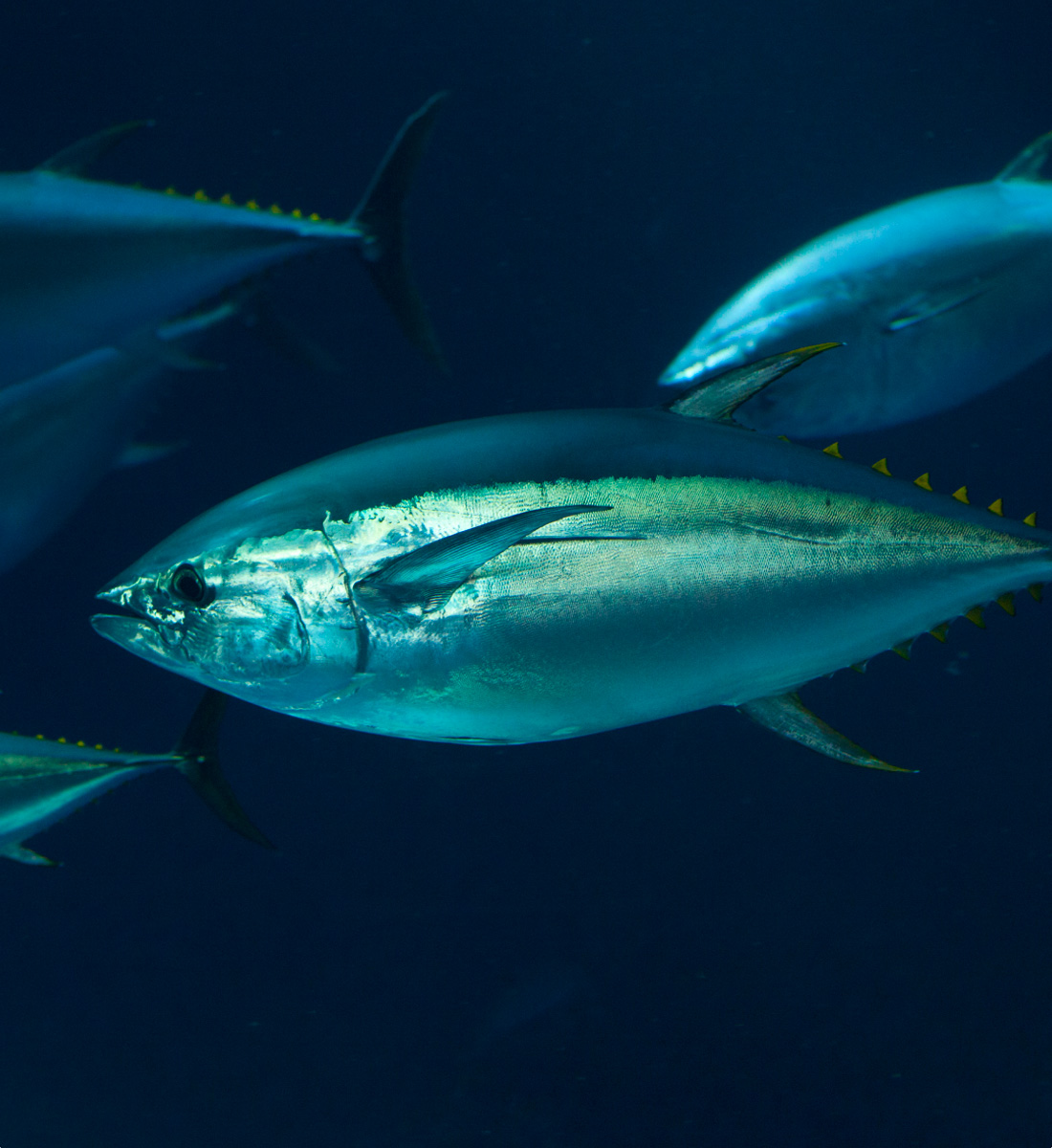
Widespread in tropical and sub-tropical seas, the Yellowfin Tuna (Thunnus Albacares) is a migratory species with an extraordinary swimming capacity. It moves in large schools and is capable of travelling enormous distances, in some cases crossing entire oceans. It owes its name to the characteristic intense yellow colour of its dorsal and ventral fins, which distinguishes it from other tuna species. Famous for the delicate taste of its pink-coloured, tender texture, it can grow up to two metres in length and weigh up to 200kg.
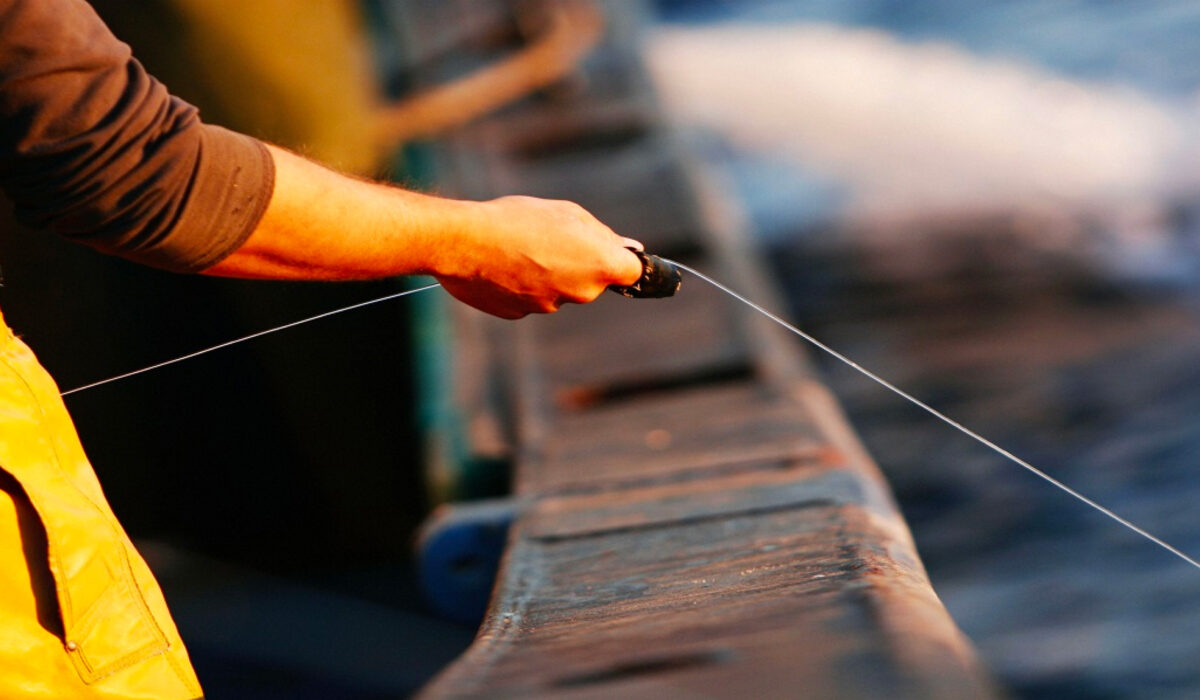
A traditional fishing method, practised close to the coast. From the boat, bait is thrown into the sea to attract tuna, and with the help of water sprayed through pressure hoses, whirlpools are created to attract the fish. Then the fishermen, equipped with fishing rods, cast their lines with hooks into the sea and, taking advantage of the frenetic movement of the water, catch the tuna and then hoist them on board, where they are quickly stored, keeping them under ice, to be frozen later.
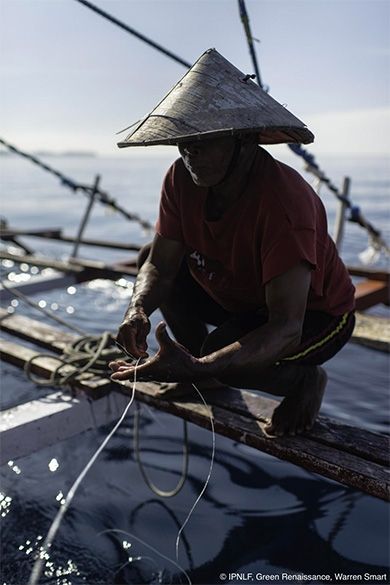
A traditional fishing method, practised close to the coast. From the boat, bait is thrown into the sea to attract tuna, and with the help of water sprayed through pressure hoses, whirlpools are created to attract the fish. Then the fishermen, equipped with fishing rods, cast their lines with hooks into the sea and, taking advantage of the frenetic movement of the water, catch the tuna and then hoist them on board, where they are quickly stored, keeping them under ice, to be frozen later.
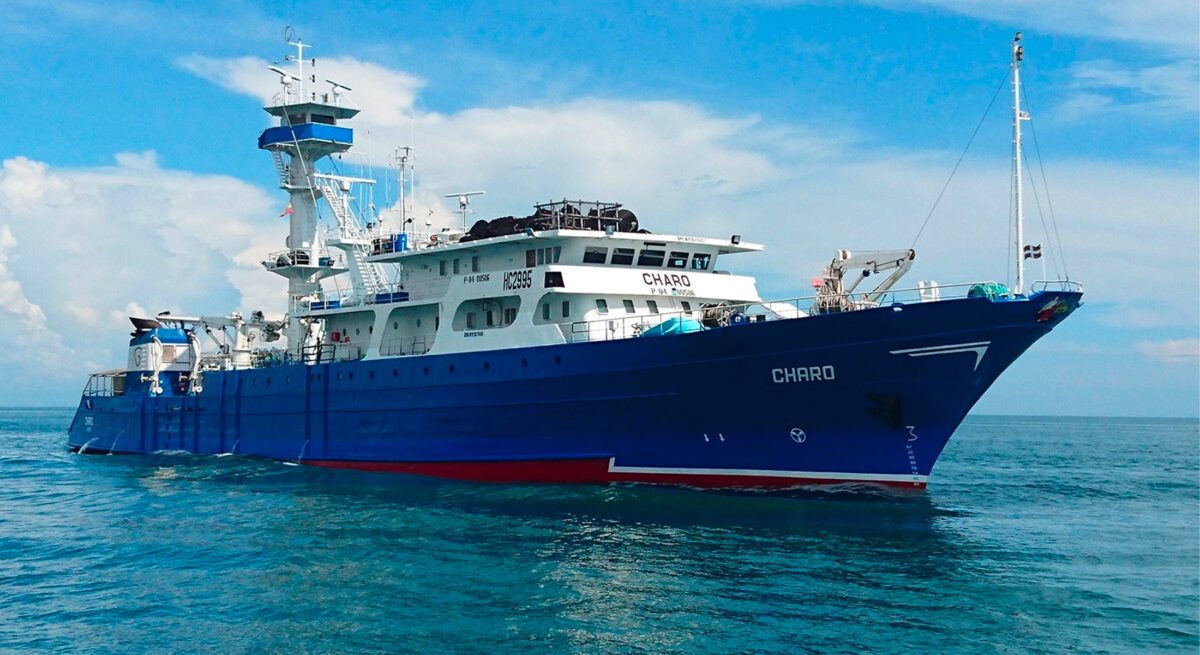
Purse seine fishing is a method of fishing practised by large fishing vessels, which often remain at sea for several weeks. When fishermen spot schools of tuna, a small boat is lowered into the sea, to which a net is secured. This net is then thrown into the water to form a sort of sack, known as a ‘seiner’, which collects the fish and allows them to be brought on board, where they are frozen in cold storage. Seiner fishing is divided into fishing on FAD (Fishing Aggregating Device) or fishing on free schools (FAD Free).
Seiner fishing is practised on large fishing vessels, which often remain at sea for several weeks in search of schools of fish. Once sighted, these are approached using a smaller boat, to which a net, known as a ‘seiner’, is attached. This collects the fish and brings them on board, where they are immediately frozen in special cold rooms. This type of fishing is selective because it is practised on free schools, without the use of FADs (Fishing Aggregating Devices), and relies mainly on the ability of captains to locate schools of tuna in the open sea. This exploits the natural tendency of migratory tuna species to form together into large schools.
Our ingredients
Olive Oil
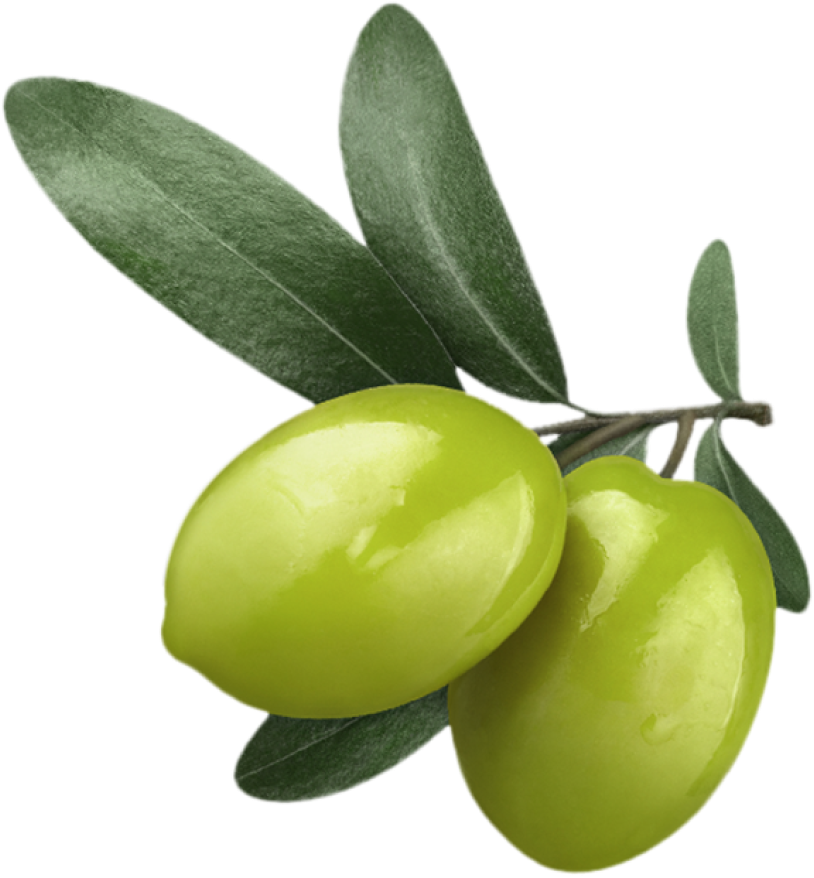
The olive oil that accompanies our tuna is of the highest standard and contributes to Rio Mare’s unique taste and quality. The oil is obtained from the pressing of the best olives from olive groves in the Mediterranean, and it is this delicate flavour enhances the taste of our tuna. The blending is particularly important because it contains a percentage of extra virgin olive oil, giving an extraordinary balance of character, flavour, aroma and fragrance.
How we do it?
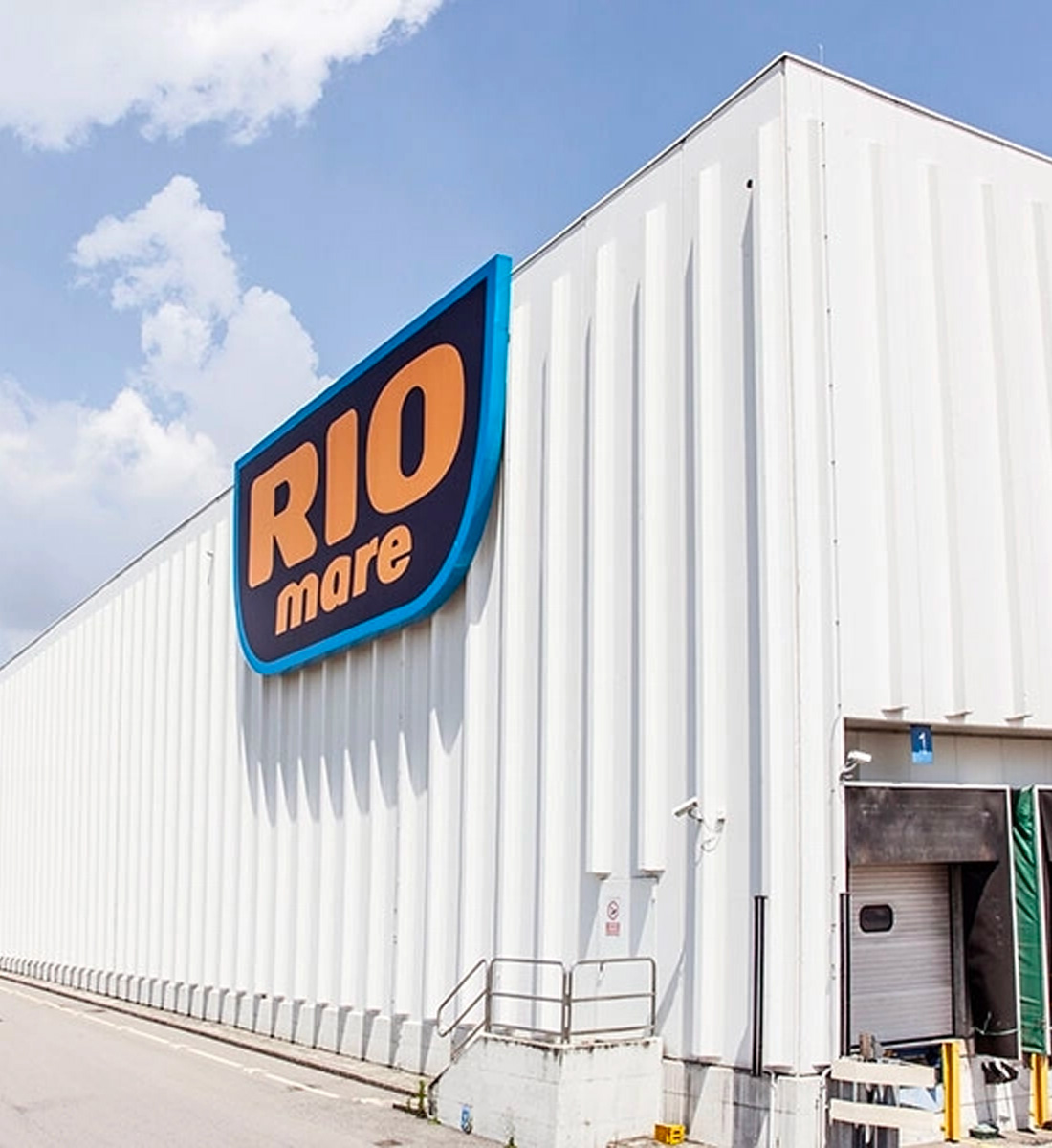
All of our factories work with innovative technologies in order to balance efficiency and sustainably, minimising the environmental footprint on our planet while maximising productivity. One example is our plant in Cermenate, in the province of Como. No. 1 in Europe and among the most modern facilities in the world, it is highly automated and has a low environmental footprint. It uses certified electricity that comes entirely from renewable sources and is notable for its focus on reducing water consumption, recycling and the recovery of waste.
At our plants in Spain and Ecuador, we are also employ processes to reduce environment impact, using renewable energy sources and modernising processes.
How we do it?
Tuna processing process starts immediately after the fish are brought aboard ship, where it is carefully selected and frozen to maintain its freshness, nutritional and organoleptic qualities. The fish is then transported to a factory for processing into fillets (loins) where they are thawed, gutted, cut and cooked. Once cooked, the fish is cleaned by hand. This cleaning operation cannot be done mechanically. The cleaned tuna fillets are then packaged, vacuum-packed and frozen in bags of around 7.5kg to be shipped to plants responsible for canning the tuna (sometimes with additional ingredients) before weighing. The tuna is then sterilised, sealed and packaged for shipment.
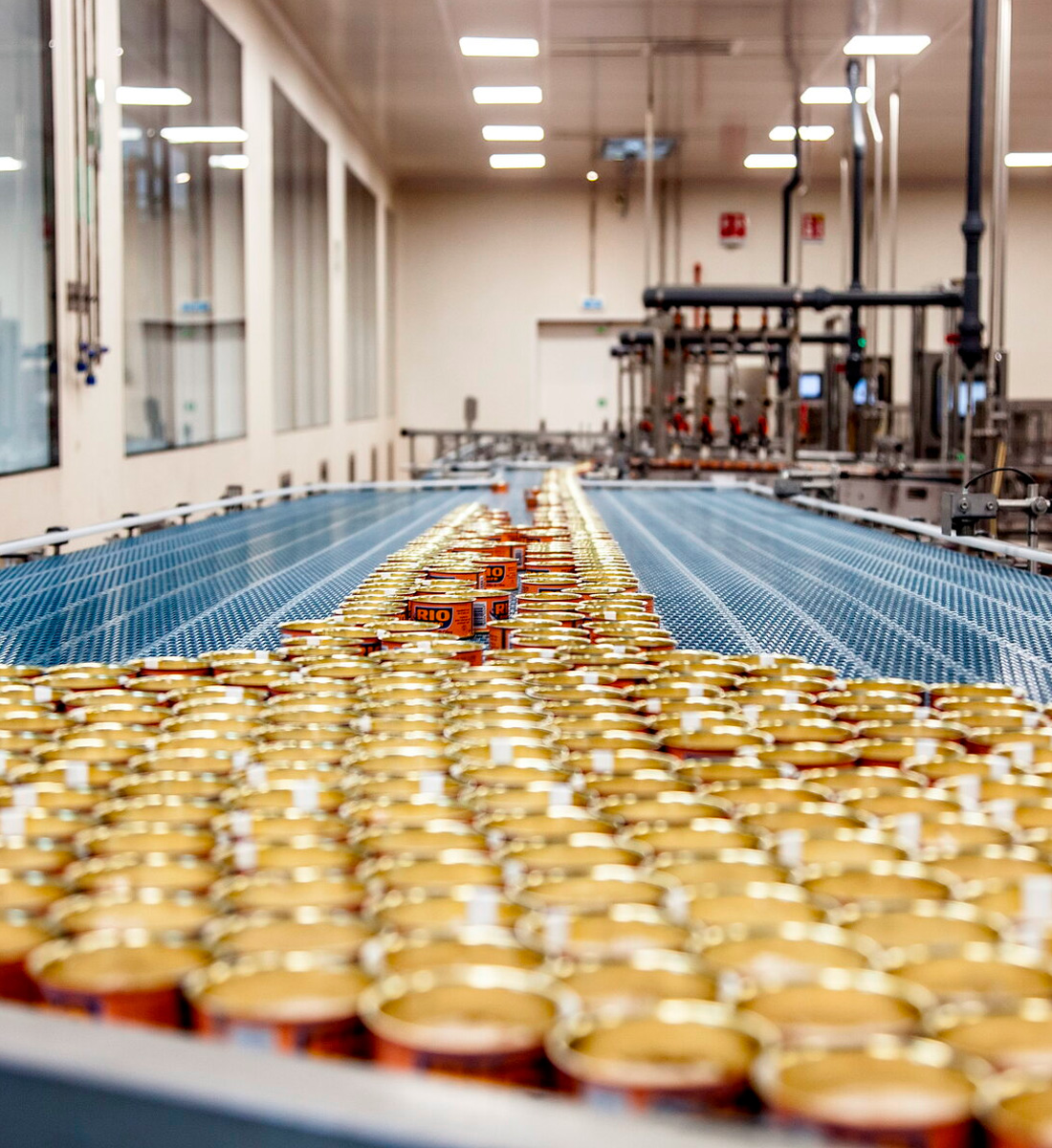
How we do it
Freshly caught fish is immediately frozen on board the fishing vessel before starting its journey. Once brought ashore, the whole fish is sent by refrigerated transport to plants close to the fishing grounds where it is processed into fillets (loins). The frozen tuna fillets, other ingredients and packaging materials are then transported to the Bolton Food SpA plant in Cermenate (CO) where the product is finished and canned for shipment. The loins are transported using refrigerated vehicles, by ship to Genoa and by road from Genoa to Cermenate, while the olive oil, salt and packaging materials are transported by truck.
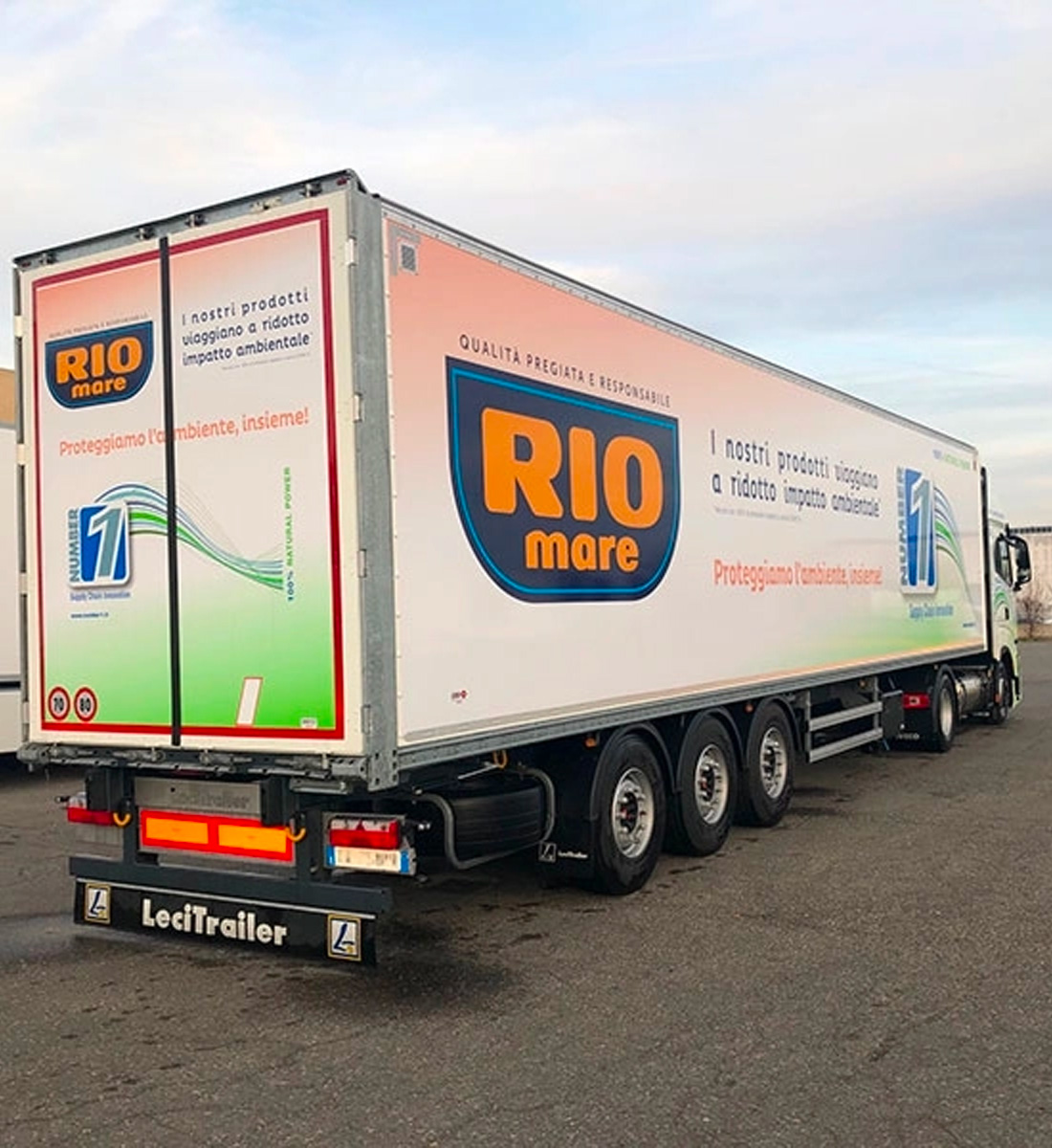
Inside Rio Mare
Transparent, traceable, safe
To find out what’s inside Rio Mare, enter the code on the pack and you can track your product from sea to table.
Enter the codeFind out where your Rio Mare Mackerel, Salmon and Sardines come from: send us an email and get all the information you need with 24/48 hours.
Click here to send your enquiry.